Marrakech is once again drawing travelers eager to explore its vibrant souks, historic palaces, and the dramatic backdrop of the Atlas Mountains. As global tourism continues its recovery, the city’s blend of tradition and modernity positions it as a compelling destination for 2024. Visitors can expect a more confident atmosphere, with hotels, restaurants, and tour operators adapting to new expectations around safety, flexibility, and sustainability. Below is a practical guide that outlines the current recovery landscape, emerging visitor trends, and the strategies Marrakech’s tourism sector is employing to welcome guests while preserving its cultural heritage.
Current Landscape of Tourism Recovery in Marrakech
International arrivals worldwide reached about 80 % of pre‑pandemic levels in the first quarter of 2023, according to UNWTO data. Since then, several regions have moved closer to their 2019 figures. Europe achieved roughly 90 % of its pre‑COVID arrivals, the Middle East exceeded 100 % and posted a 29 % increase compared with 2019, while Africa recorded a modest 6 % gain. The Americas recovered 97 % of pre‑pandemic arrivals, and Asia‑Pacific reached 85 % of 2019 levels after reopening in 2023. These trends are reflected in Marrakech, where the rebound in international traffic is complemented by a strong domestic market. Moroccan families increasingly choose the city for weekend getaways, boosting demand for boutique riads, family‑friendly attractions, and short‑haul transport options. This domestic surge has helped stabilize the tourism ecosystem while international visitor numbers continue to climb.
Key Trends Shaping Visitor Expectations
- Predictable, Trusted Experiences – Travelers favor destinations that provide clear health protocols, reliable information, and a sense of control. In Marrakech, hotels display cleaning standards, tour operators share detailed itineraries, and attractions manage crowd density through timed entry.
- Outdoor and Wellness‑Focused Activities – Open‑air experiences that combine recreation with well‑being are in high demand. Guided hikes in the Atlas foothills, sunrise yoga in the Menara palm groves, and camel treks across the Agafay desert are being packaged with hydration stations and on‑site first‑aid kits.
- Extended Planning Horizons – The desire for certainty leads many visitors to book trips months in advance. Early bookings allow hotels and restaurants to manage inventory efficiently and to offer early‑bird discounts or flexible cancellation policies that reassure cautious travelers.
- Sustainability and Social Impact – Guests increasingly assess the environmental and social footprint of their journeys. Eco‑certified riads, community‑led tours of the historic medina, and initiatives that support local artisans are becoming baseline expectations rather than niche offerings.
Strategic Moves by Local Stakeholders
- Health & Hygiene as a Competitive Edge – Hotels and guesthouses have adopted internationally recognized cleaning standards, often verified by third‑party audits. Public spaces such as Jemaa el‑Fna square now feature hand‑sanitizing stations and regular surface disinfection, reinforcing confidence among visitors.
- Flexible Booking Policies – Many Marrakech accommodations allow free date changes up to 48 hours before arrival, reducing perceived risk and encouraging earlier commitments.
- Enhanced Digital Communication – Consistent, up‑to‑date information across websites, social media, and partner platforms prevents mixed messages. Multilingual chatbots answer real‑time queries about entry requirements, local health guidelines, and transportation options.
- Diversified Product Offerings – The city’s tourism board promotes a mix of short‑stay city tours, multi‑day cultural immersions, and nature‑based excursions. Bundled packages that combine accommodation, guided walks, and culinary experiences deliver value without relying on deep discounting.
- Investment in Air Connectivity – Airlines have reinstated several direct routes to Marrakech from major European hubs, while low‑cost carriers are expanding service from emerging markets in the Middle East and North Africa. Improved flight options shorten travel time and make the city more accessible for weekend travelers.
- Innovation and Digitisation – The pandemic accelerated the adoption of contactless technologies. Many hotels now offer digital check‑in, QR‑code menus, and mobile payment options, meeting the new baseline expectation for a seamless, low‑touch experience.
Practical Tips for Travelers in 2024
- Plan Ahead, Stay Flexible – Secure accommodations and tours early to lock in preferred dates, but choose providers that offer free rescheduling. This balances certainty with the ability to adapt if circumstances change.
- Prioritize Health‑Safe Venues – Look for hotels and restaurants that display hygiene certifications. Contactless check‑in, digital menus, and outdoor seating help minimise indoor crowding.
- Embrace Outdoor Attractions – Visit the Majorelle Garden early in the morning or late afternoon to avoid peak heat and crowds. A day trip to the Ourika Valley for a guided hike combines scenic beauty with low‑risk, open‑air activity.
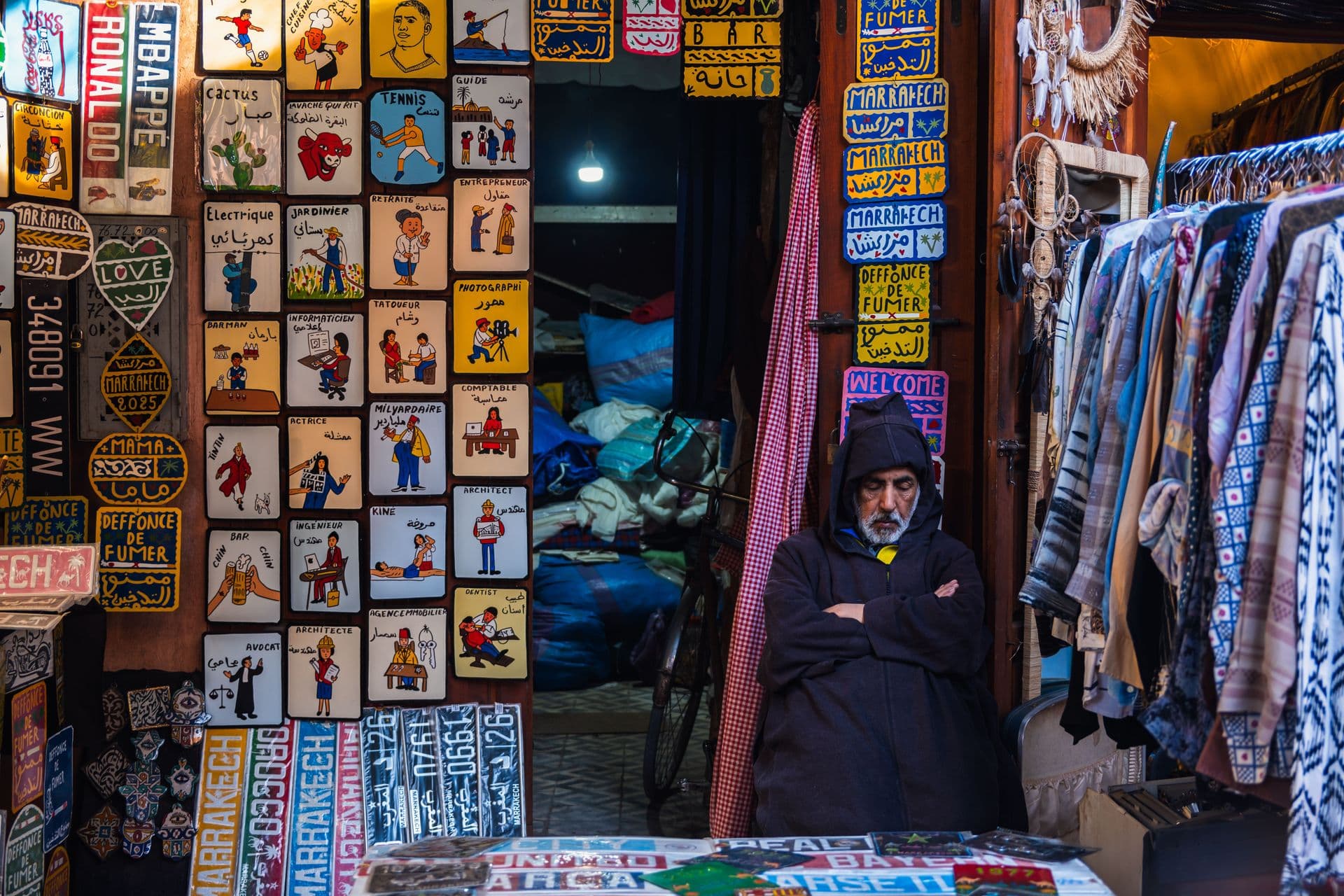
- Support the Local Economy – Purchase handmade goods directly from artisans in the souks rather than through intermediaries. Community‑led tours enrich your experience while channeling revenue to local families.
- Stay Informed on Entry Requirements – Verify the latest visa and health entry rules for Morocco before departure. Official tourism portals and airline communications provide the most reliable updates.
- Manage Jet Lag and Travel Stress – Adjust your sleep schedule a few days before departure, stay hydrated, and incorporate short walks after long flights. Simple self‑care practices help you feel refreshed and ready to explore Marrakech’s bustling streets.
Risk Management and Communication Best Practices
- Accurate, Consistent Messaging – Ensure that all digital channels—websites, social media, booking platforms—share the same up‑to‑date information about health protocols, entry requirements, and service availability. Consistency builds trust with prospective visitors.
- Reassure Partners and Buyers – Communicate clearly with travel agents, tour operators, and airline partners about the city’s recovery status and any contingency plans. Transparent dialogue helps maintain confidence across the supply chain.
- Adapt Itineraries Safely – Review whether existing routes and activities remain viable. Replace any damaged or restricted sites with alternative attractions, and consider shorter trips or off‑peak seasons to match current demand patterns.
- Add Value Through Flexibility and Service – Rather than cutting prices, highlight flexible booking terms, enhanced safety measures, and unique experiences that differentiate Marrakech from competing destinations.
Sustainable and Responsible Experiences
- Choose Eco‑Certified Accommodations – Riads with green certifications often implement water‑saving fixtures, renewable energy sources, and waste‑reduction programs.
- Participate in Cultural Preservation Projects – Local NGOs offer workshops on traditional crafts such as pottery and carpet weaving. Engaging in these activities helps preserve intangible heritage while providing fair wages to artisans.
- Reduce Plastic Use – Carry a reusable water bottle; many cafés now offer filtered water stations. Opt for refillable containers when purchasing spices or souvenirs.
- Respect Local Customs – Dress modestly when visiting religious sites, and be mindful of photography restrictions in certain areas of the medina. Cultural sensitivity enhances mutual respect and enriches the travel experience.
Looking Ahead: Marrakech in the Post‑Recovery Era
Global tourism is projected to reach full recovery by the end of 2024, with spending per trip growing faster than arrivals thanks to longer stays and higher average expenditures. Marrakech’s strategic focus on health safety, flexible services, digital innovation, and sustainability aligns with these broader industry trends. For visitors in 2024, this means a more reliable, enjoyable, and responsible travel experience—one that celebrates the city’s timeless charm while supporting its vibrant future.